CUSTOM BUILDS, KITS & RETRO FIT AIR-CONDITIONING & HEATING SYSTEMS FOR CLASSIC CARS, HOT RODS, AND SPECIALIST BUILDS
AVAILABLE AT COOLCAR NORTH SHORE & COOLCAR HAMILTON
MTA Approved || 35+ Years Experience || Same-Day Bookings || Courtesy Cars Available || Expert Technicians || Backed by VASA
CUSTOM BUILDS & RETRO FIT AIR-CONDITIONING SYSTEMS
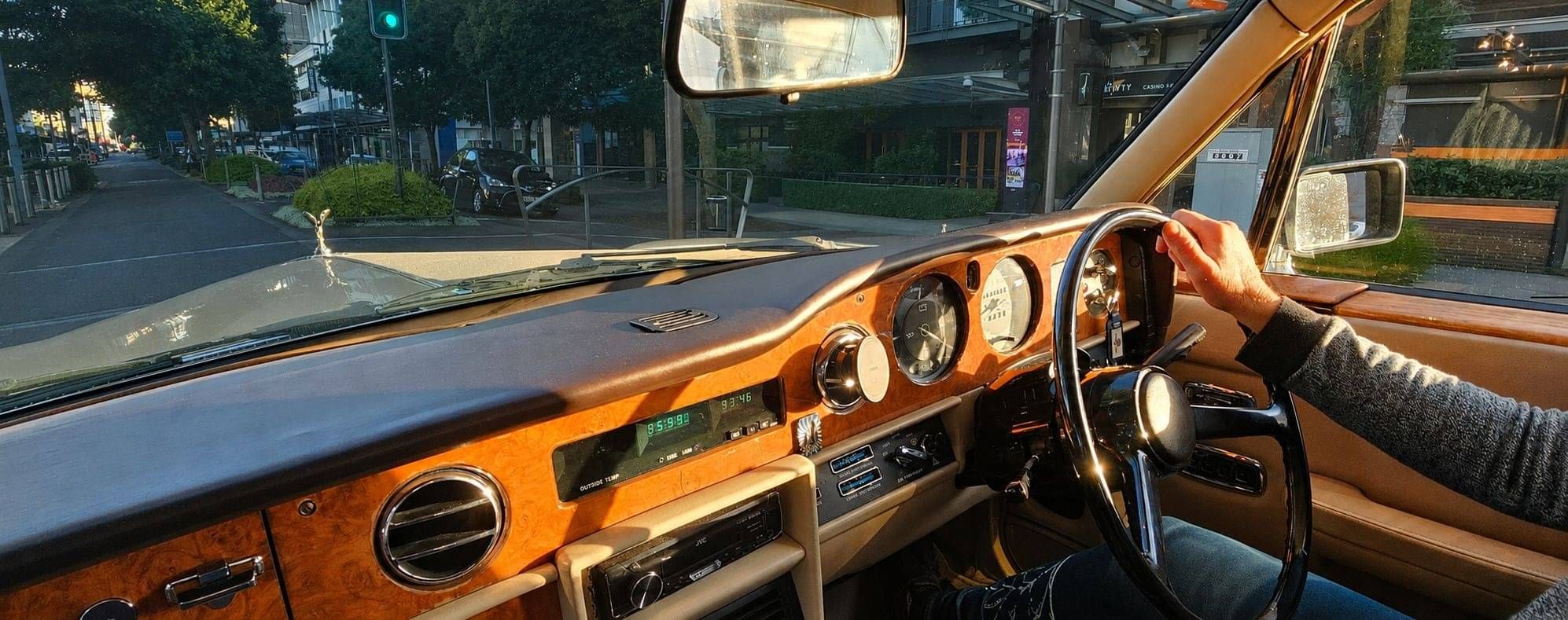
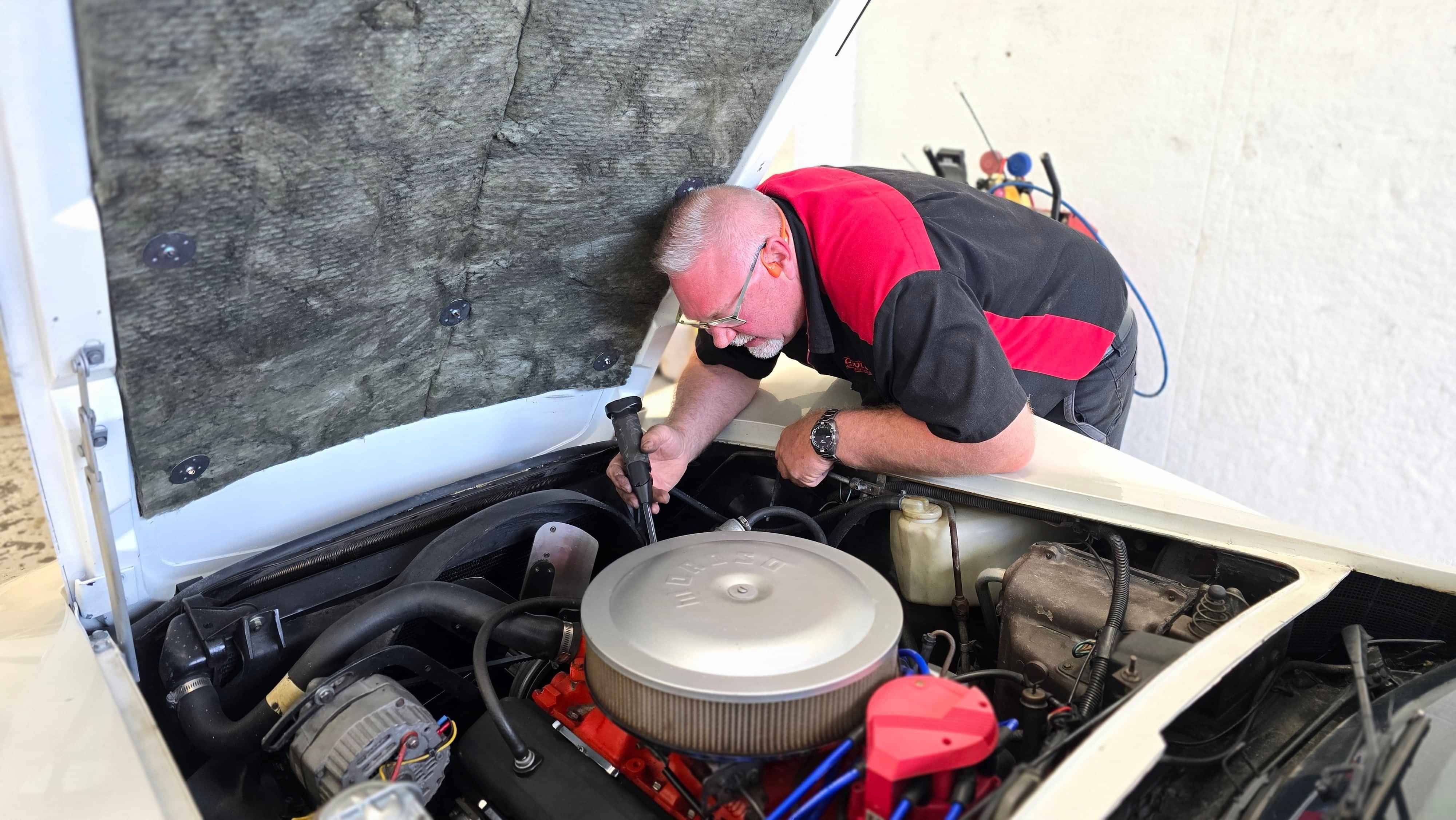
CoolCar is passionate about classical cars and, and modifies and installs custom air-conditioning and heating systems for classic cars, hot rods, restorations modified vehicles and specialist builds, as well as installing rear air-conditioning units into vans, and trucks.
Whether the vehicle never had air-conditioning, the original system is obsolete, or the engine and dashboard have been modified, we can design a system around the vehicle rather than relying on a standard replacement solution that will be tailored to your needs.
Speak to our head technician Rodney, who's been doing this since he was a teenager, to see what we can do for your vehicle.
WHAT WE CAN HELP WITH
Air-conditioning installation into vehicles that never had factory A/C
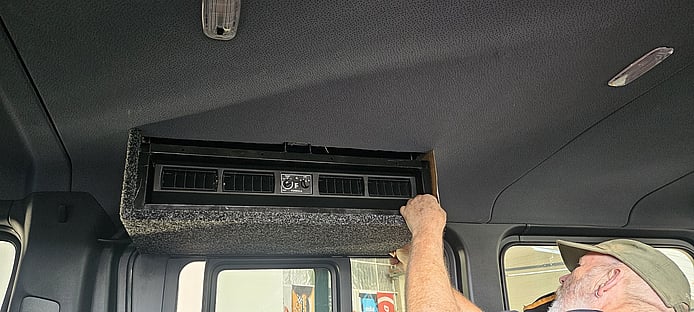
Rear air-conditioning and/or heating installation into trucks, vans, buses, etc.
Replacement of obsolete or unavailable factory systems
Classic-car A/C upgrades
Hot rod and custom vehicle systems
Engine-conversion A/C integration
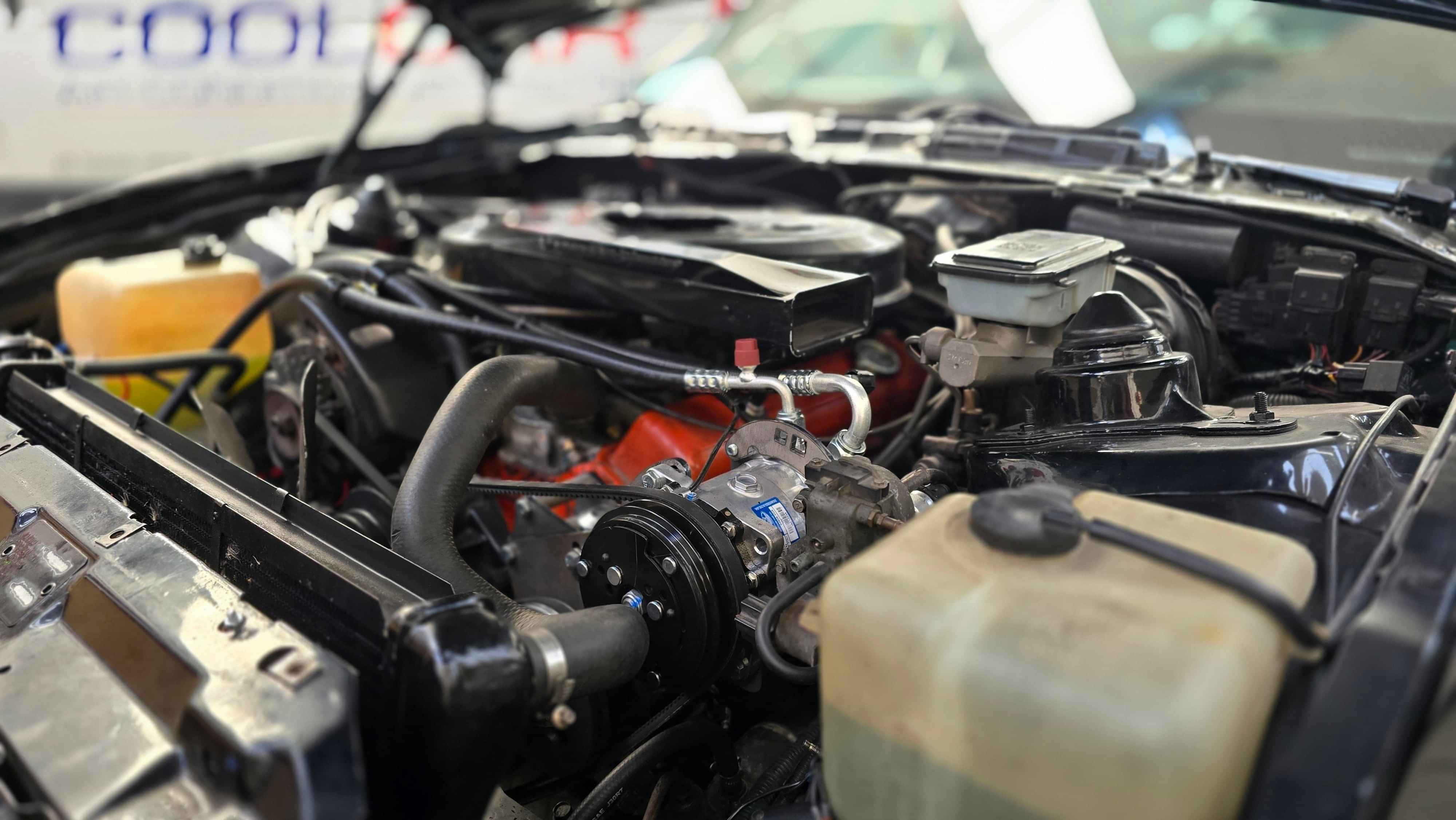
Electric compressor installations where appropriate
Custom hoses, brackets and pipework
Condenser, compressor and evaporator selection
Under-dash, behind-dash and concealed evaporator options
Heater and demister integration
Controls, vents and switch installation
R134a system conversions
System redesign after dashboard, engine or body modifications
WHY CHOOSE COOLCAR FOR YOUR A/C INSTALL
Rodney, CoolCar's classic car air-conditioning installation expert, and owner of CoolCar North Shore, Hamilton and Henderson, began his air-conditioning career during his late teens at the original CoolCar Newton in Auckland - Fabricating systems for cars not initially designed for A/C, (heater boxes, condenser, firewall flaps, etc), and installing kits into hundreds of XF Ford Falcons, VL Commodores and the like.
In 1995, Rodney re-instated the CoolCar brand in Hamilton. Since then, he has since designed, installed, re-built and re-conditioned air-conditioning systems into Landcruiser's, Corvettes, Pontiacs, Chevrolet models, Rolls- Royce and even Knight Rider replicas, to name a few.
His experience is necessary when original components are unavailable, unsuitable or obsolete and a system must be designed around the vehicle rather than fitted from a standard replacement kit.
DESIGNED AROUND THE VEHICLE
A custom A/C installation may not involve simply fitting a universal kit. The system needs to be matched to the available space, cabin size, engine layout, airflow, electrical capacity and the intended use of the car. During our inspection of the car, our process might include:
Vehicle inspection and project discussion
Examination of parts remaining in pre-existing system
Measuring available space and reviewing modifications
Selecting suitable components to be installed or made to fit
Planning hose, wiring, airflow and drainage routes
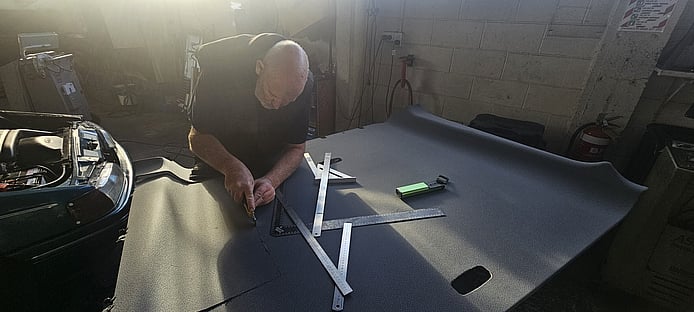
Fabricating brackets, hoses, fittings and modifying whole components
Installing the system
Testing temperature, pressures, airflow and operation
REAR AIR-CONDITIONING & HEATING INTALLS
Not only are CoolCar specialists in custom air-conditioning for classic and modified cars, but we can also design systems for custom van builds, camper conversions, buses, trucks and specialist vehicles.
We can build rear air-conditioning and heating systems around the layout and intended use of your vehicle, including sleeping areas, passenger compartments, mobile workshops and camper interiors. Where standard components will not fit, our technicians can fabricate custom housings, brackets, ducting and mounting solutions to create a practical, integrated installation.
Whether you are building a campervan, converting a work van or creating a one-off vehicle, we can help design an air-conditioning and heating system that suits the available space and how the vehicle will actually be used.